
Garage Door Repair Parker has been my full-time work for well over a decade, and if there’s one misconception I run into daily, it’s the belief that the opener is usually the problem. I’m a licensed garage door technician, and most service calls I handle in Parker trace back to basic mechanical issues that were quietly building long before anything stopped working.
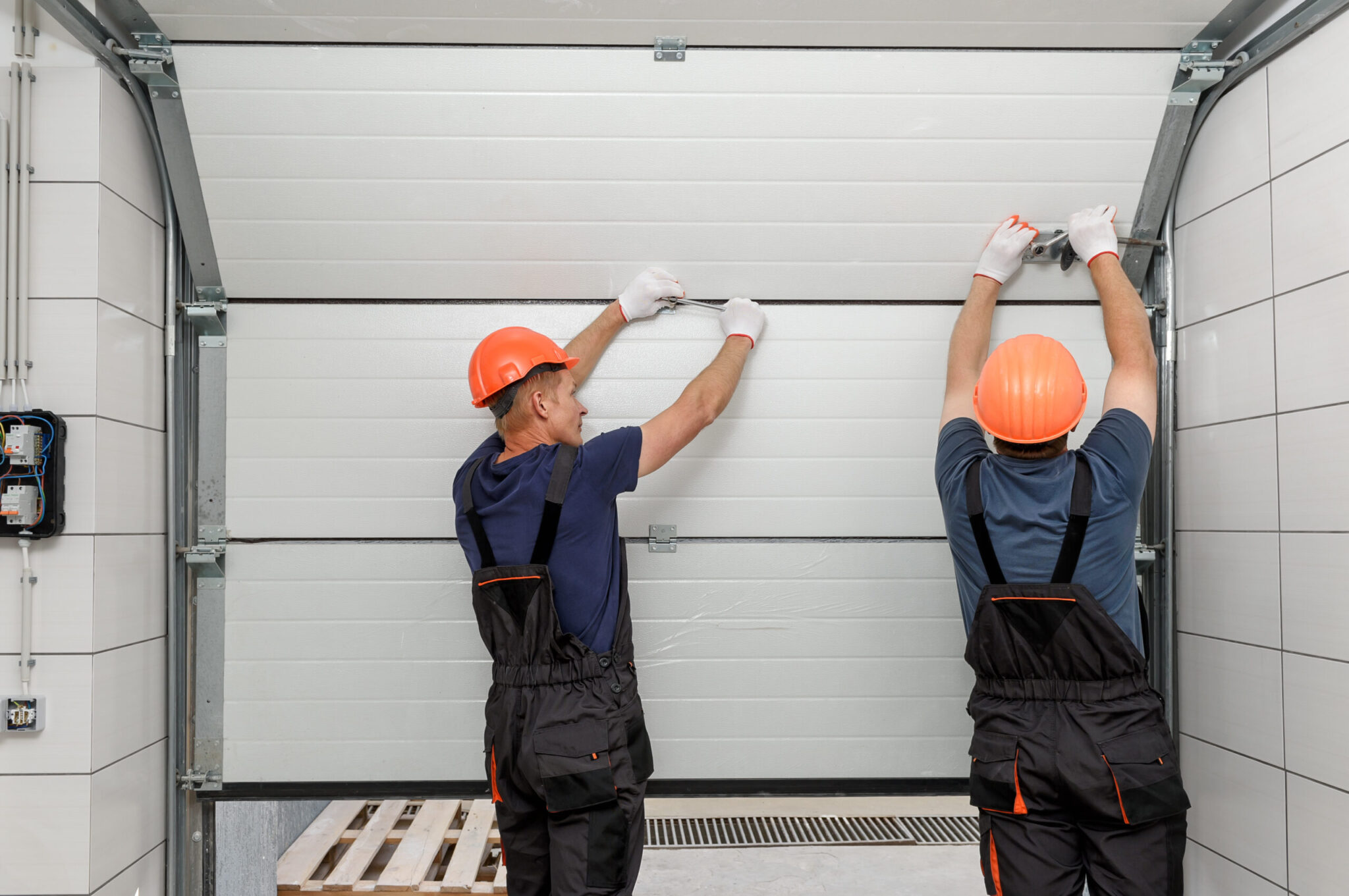 I once got a call from a homeowner who said his door had “lost confidence.” That was his phrase, and it fit. The door would start up strong, slow halfway, then shudder before closing again. Another technician had already recommended replacing the opener. When I disconnected the motor and lifted the door by hand, it barely stayed up. One spring had weakened more than the other, throwing the entire system out of balance. The opener wasn’t failing—it was compensating until it couldn’t anymore. New springs and a proper balance check fixed the issue, and the original opener stayed in service.
Parker’s climate plays a quiet role in these failures. Cold mornings and warm afternoons cause metal to expand and contract, which accelerates wear on springs, rollers, and bearings. A customer last spring complained about a sharp popping sound every time the door opened. He worried a panel was cracking. The noise came from dry hinges and a center bearing plate that had started to bind. Once serviced, the sound disappeared completely. Those are the kinds of problems you don’t see, only hear—until you know what you’re listening for.
One of the more expensive mistakes I see is homeowners continuing to use a door that’s visibly out of alignment. A door that rises unevenly or rubs the track isn’t just annoying; it’s damaging itself every cycle. I worked on a door where the left cable had been slowly fraying for months. The homeowner noticed the door leaning but kept using it. Eventually, the cable slipped, twisted the bottom panel, and pulled lag bolts out of the wall. What could have been a simple cable replacement turned into structural reinforcement and panel repair.
I’m careful about recommending full replacements because many doors in Parker are still structurally sound even after years of use. Heavier steel doors from older builds often outlast newer lightweight models if the hardware is maintained. If the panels are straight and the track is solid, repairing springs, rollers, and cables usually makes more sense than tearing everything out. That said, I don’t hesitate to advise against keeping outdated openers that struggle to reverse or lack dependable safety sensors. Mechanical durability doesn’t outweigh safety concerns.
DIY repairs are another area where I’ve seen things go sideways quickly. I understand wanting to fix things yourself, but torsion springs and cable systems don’t forgive small errors. I once walked into a garage where a spring had been wound unevenly using improvised tools. The homeowner stopped because the door felt unpredictable, which was the smartest decision he made. The tension was dangerously off, and continuing would have risked serious injury.
After years of working in Garage Door Repair Parker, I’ve learned that doors almost always signal trouble before they fail outright. Slower movement, new noises, or a door that won’t stay put when lifted halfway usually point to mechanical wear, not electronics. Paying attention to those signals keeps repairs manageable and garage doors operating the way they should—smoothly, quietly, and without surprises.